The Essential Guide to Medical Surgical Tape: How to Choose the Right Adhesive Tape for Skin
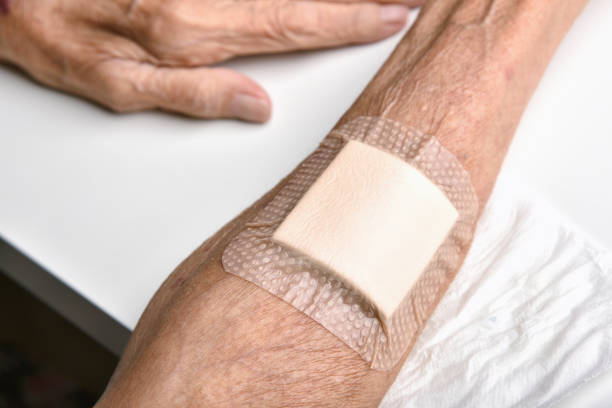
Medical surgical tape is a crucial component in wound care and medical procedures, providing the adhesive strength needed to secure dressings and medical devices to the skin. Selecting the right type of medical tape can significantly impact patient comfort and the effectiveness of wound management. With a variety of options available, it is important to understand how to choose the most suitable adhesive tape for different skin types and medical needs. This guide will explore the different types of medical surgical tapes and offer insights into selecting the best option for specific applications.
Types of Medical Surgical Tape
Medical surgical tapes come in various forms, each designed for specific uses and skin types. Understanding the differences can assist in selecting the appropriate tape for particular medical needs. Here are the main types:
- Paper Tape: Lightweight and breathable, ideal for sensitive skin and frequent bandage changes.
- Cloth Tape: Durable and flexible, suitable for securing bulky dressings and devices.
- Silk Tape: Strong and hypoallergenic, often used in surgical settings for its reliability.
- Plastic Tape: Waterproof and transparent, perfect for securing IV lines and other medical devices.
Factors to Consider When Choosing Medical Tape
The selection of medical tape should be guided by several key factors to ensure it meets the needs of the patient and the medical procedure. Consider the following:
Skin Sensitivity and Allergies
Patients with sensitive skin or a history of allergies should opt for hypoallergenic tapes, such as paper or silk tape. These tapes minimize the risk of skin irritation and allergic reactions. Find out more about this approach to selecting tapes for sensitive skin.
Application Duration
For short-term applications, such as a few hours, paper or plastic tapes may suffice. However, for long-term use, such as several days, cloth or silk tapes provide better durability and adhesion. Explore advanced guides and tips for selecting the right tape for different durations.
Moisture and Environmental Conditions
In environments where moisture is a concern, waterproof plastic tapes are ideal. These tapes maintain adhesion even in humid or wet conditions. Learn about our tailored solutions for different environmental conditions.
Size and Flexibility
Consider the size of the area to be taped and the need for flexibility. Large dressings require wider tapes, while areas requiring movement may benefit from flexible cloth tapes. Discover expert strategies here for choosing tapes based on size and flexibility.
Application Techniques
Proper application techniques are essential for maximizing the effectiveness of medical surgical tapes. Follow these guidelines to ensure optimal adhesion and comfort:
- Clean and Dry the Skin: Ensure the skin is clean and dry before applying the tape to improve adhesion.
- Avoid Stretching the Tape: Overstretching can lead to skin irritation and reduced adhesion over time.
- Secure the Edges: Press down the edges of the tape firmly to prevent lifting and ensure a secure fit.
- Monitor for Reactions: Regularly check the skin for signs of irritation or allergic reactions, especially during long-term use.
Conclusion
Choosing the right medical surgical tape requires a comprehensive understanding of the patient’s needs and the specific requirements of the medical procedure. By considering factors such as skin sensitivity, application duration, environmental conditions, and tape flexibility, healthcare providers can select the most appropriate tape for effective and comfortable wound care. For further guidance and resources, learn about our tailored solutions for diverse medical applications.
