Commercial Land Grading: A Guide to Quality Services
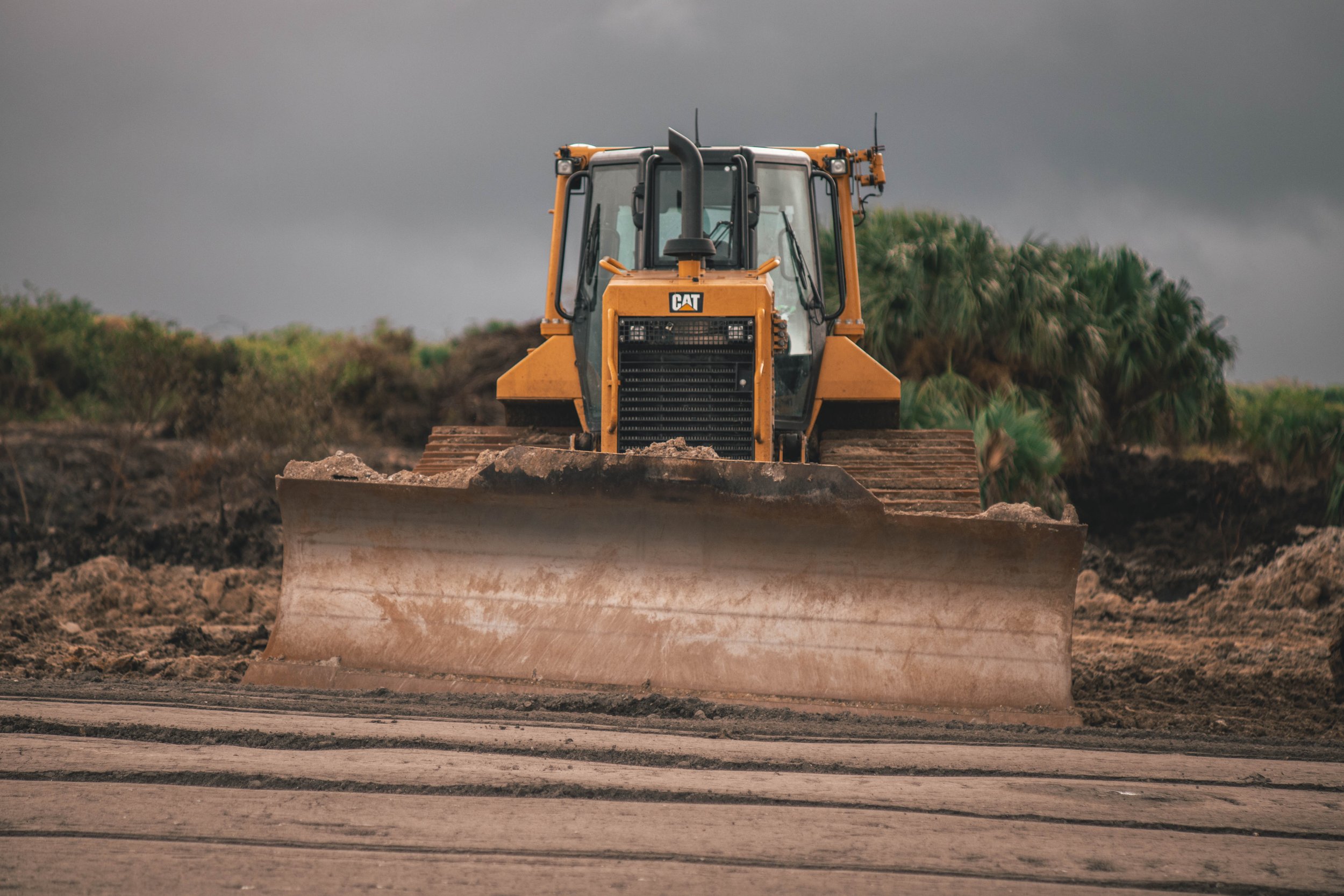
Commercial Land Grading: A Guide to Quality Services
Introduction
Land grading is a critical component in the preparation of commercial construction sites. It ensures a stable foundation, optimizes drainage, and prevents future structural issues. Understanding the intricacies of commercial land grading can significantly impact the success of a project. This guide delves into the essential aspects of land grading, highlighting the best practices and strategies employed by industry leaders.
Understanding Commercial Land Grading
What is Land Grading?
Land grading involves altering the surface of the land to achieve a desired slope or level. This process is essential for facilitating water runoff, preventing erosion, and ensuring that construction projects have a stable base.
Importance of Proper Grading
- Enhances drainage and prevents water pooling.
- Reduces the risk of erosion and soil instability.
- Ensures compliance with local building codes and regulations.
- Creates a solid foundation for construction activities.
For comprehensive guidance on effective grading strategies, discover expert strategies here.
Steps Involved in Commercial Land Grading
Site Assessment and Planning
The first step in land grading involves a thorough assessment of the site. This includes evaluating soil composition, existing topography, and environmental factors. Detailed planning ensures that grading efforts are aligned with the project’s objectives.
Execution of Grading Techniques
Various techniques are employed during the grading process, including excavation, leveling, and compacting. Each technique is selected based on the specific requirements of the site and the intended construction.
To explore advanced guides and tips for executing these techniques, explore advanced guides and tips.
Ensuring Quality and Precision
- Utilizing state-of-the-art equipment for precision.
- Implementing rigorous quality control measures.
- Regularly reviewing progress and adjusting strategies as needed.
Learn about our tailored solutions for maintaining quality in commercial land grading.
Challenges and Solutions in Land Grading
Common Challenges
Land grading can present several challenges, including adverse weather conditions, unexpected soil variations, and environmental constraints. These can all affect the timeline and cost of a project.
Effective Solutions
- Utilizing advanced technology for accurate site analysis.
- Implementing flexible planning strategies to adapt to unforeseen circumstances.
- Engaging experienced professionals to navigate complex issues.
To find out more about this approach and how to overcome grading challenges, find out more about this approach.
Conclusion
Commercial land grading is a vital step in ensuring the success of construction projects. By understanding the importance of proper grading, following best practices, and addressing challenges head-on, project managers can secure long-term stability and functionality. For those seeking to delve deeper into the world of land grading, resources are available that offer expert insight and innovative solutions.
