Streamlining Global Flight Support Operations
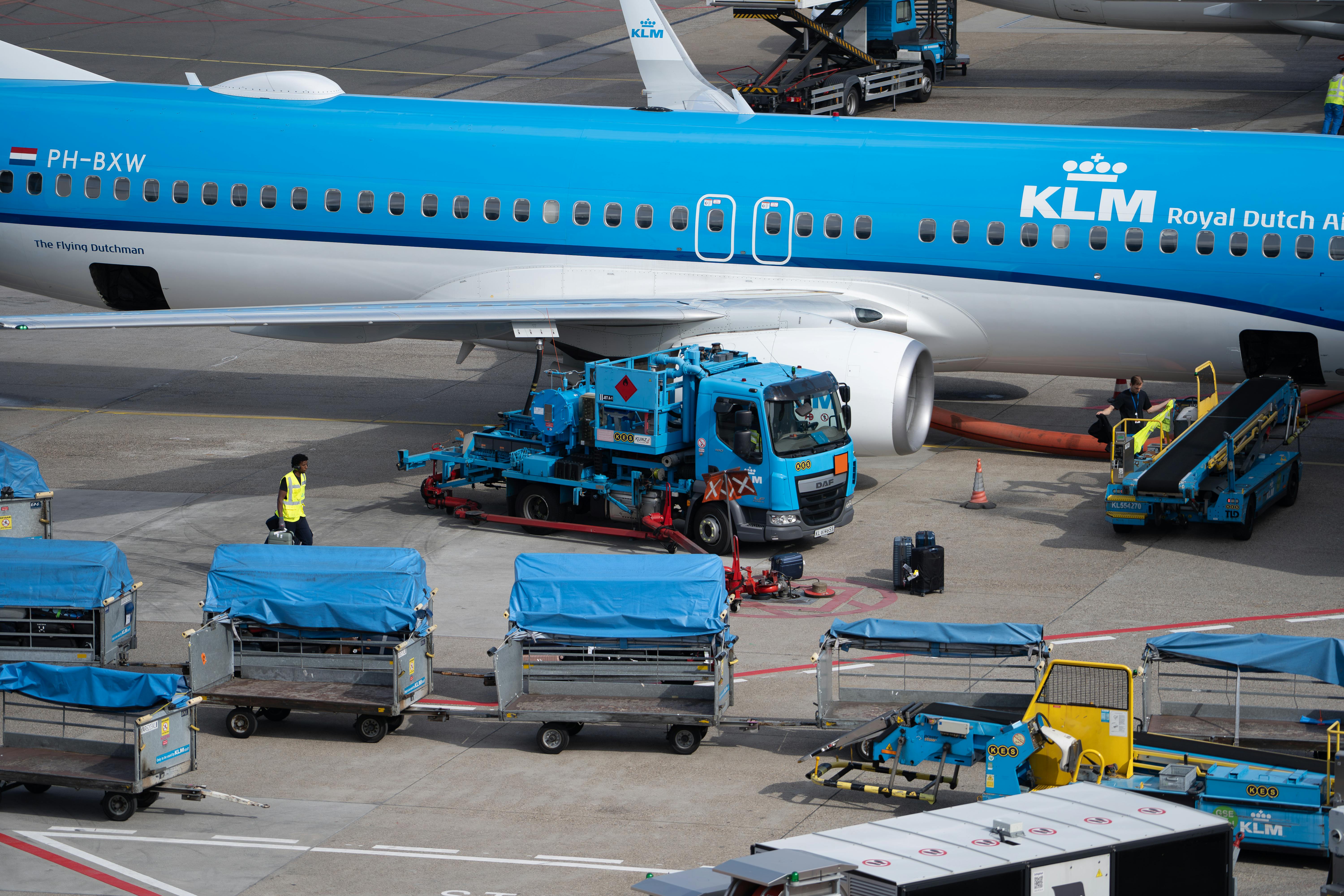
The aviation industry is a complex network that spans the globe, with countless flights taking off and landing each day. To ensure the smooth functioning of this intricate web, global flight support operations play a crucial role. These operations encompass a wide range of services and processes, from flight planning and fuel management to ground handling and regulatory compliance. Streamlining these operations is essential to enhance efficiency, reduce costs, and improve the overall travel experience. This article delves into the key aspects of streamlining global flight support operations and highlights the importance of adopting advanced strategies and technologies to achieve these goals.
Understanding Global Flight Support Operations
Flight support operations are comprehensive services that ensure flights are well-coordinated from start to finish. These operations include:
- Flight Planning – Crafting efficient flight routes, considering weather and airspace restrictions.
- Fuel Management – Optimizing fuel consumption to reduce costs and environmental impact.
- Ground Handling – Coordinating timely and efficient aircraft servicing on the ground.
- Regulatory Compliance – Ensuring adherence to international aviation regulations and standards.
To explore further insights into these operations, find additional information here.
Key Strategies for Streamlining Operations
Leveraging Technology
Technological advancements have revolutionized the aviation industry. By integrating technology into flight support operations, airlines and service providers can achieve significant improvements in efficiency and decision-making. Key technologies include:
- Advanced Flight Management Systems – Automating flight planning and navigation.
- Data Analytics – Utilizing real-time data for predictive and prescriptive maintenance.
- Artificial Intelligence – Enhancing operational decision-making with AI-powered tools.
For a detailed guide on implementing these technologies, learn more in this detailed guide.
Enhancing Collaboration and Communication
Effective communication and collaboration are paramount in streamlining global flight support operations. By fostering a culture of transparency and teamwork, stakeholders can ensure smoother operations and quicker problem resolution. Strategies include:
- Cross-departmental Meetings – Facilitating regular communication between different teams.
- Integrated Communication Platforms – Adopting systems that allow real-time updates and information sharing.
- Stakeholder Engagement – Involving all relevant parties in decision-making processes.
To explore further collaboration strategies, explore further insights here.
Challenges and Solutions in Streamlining Operations
Despite the benefits, streamlining flight support operations comes with its own set of challenges. Common issues include:
- Resistance to Change – Overcoming organizational inertia and adapting to new technologies.
- Data Security – Ensuring the protection of sensitive information and compliance with regulations.
- Cost Concerns – Balancing the investment in new technologies with budget constraints.
To address these challenges, it is essential to adopt a strategic approach that incorporates:
- Change Management Programs – Facilitating smooth transitions with training and support.
- Robust Cybersecurity Measures – Implementing strong security protocols.
- Cost-Benefit Analysis – Evaluating the long-term benefits of investments in technology.
For more in-depth solutions to these challenges, read more about this topic.
Conclusion
Streamlining global flight support operations is critical for enhancing the efficiency and effectiveness of the aviation industry. By leveraging advanced technologies, fostering collaboration, and addressing challenges proactively, stakeholders can significantly improve operational outcomes. The journey toward optimized flight support operations requires a commitment to innovation, strategic planning, and continuous improvement. For those interested in delving deeper into the intricacies of flight support operations, explore further insights here.
