Unleash the Power of Color with Vibrant Event Flower Designs
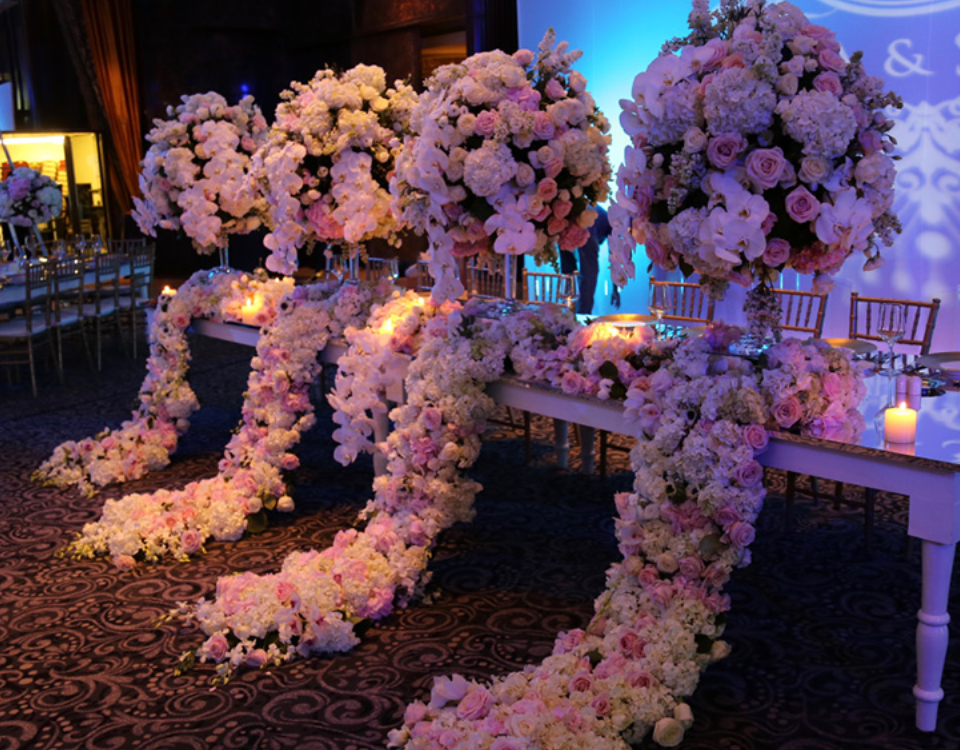
Color is one of the most powerful tools in the art of event design. It has the ability to evoke emotions, create moods, and transform spaces. When it comes to event flower designs, the use of vibrant colors can take any occasion from ordinary to extraordinary. Whether it”?s a corporate gala, a wedding, or a themed party, the strategic use of floral colors can make a lasting impression on guests. This article delves into the nuances of incorporating bold hues into floral arrangements and the impact these choices have on the overall ambiance of an event.
The Psychology of Color in Floral Design
Understanding how colors affect perception and emotion is crucial in crafting impactful floral designs. Different colors can evoke a range of emotions:
- Red: Often associated with passion and energy, red can invigorate a space and grab attention.
- Blue: Known for its calming effects, blue can create a serene and peaceful atmosphere.
- Yellow: This cheerful color symbolizes happiness and can brighten up any event.
- Green: Representing nature and tranquility, green offers a refreshing and soothing feel.
- Purple: Evoking luxury and creativity, purple can add a touch of elegance and sophistication.
By choosing the right color palette for floral arrangements, event planners can craft an environment that aligns with the event”?s purpose and theme. Discover expert strategies here.
Combining Colors for Maximum Impact
Complementary Color Schemes
Complementary color schemes use colors that are opposite each other on the color wheel. This combination creates a vibrant contrast that is visually appealing and dynamic. For example, pairing red flowers with green foliage can create an eye-catching arrangement that stands out in any setting. Learn about our tailored solutions.
Analogous Color Schemes
Analogous color schemes involve colors that are next to each other on the color wheel. These combinations are pleasing to the eye and often found in nature, making them ideal for creating harmonious and serene designs. For instance, using blue, green, and teal together can evoke a sense of calm and unity.
Monochromatic Color Schemes
Monochromatic schemes use different shades, tones, and tints of a single color. This approach can be particularly striking and sophisticated, as it brings depth and texture to the floral arrangement. Consider using varying shades of pink to craft a romantic and cohesive design. Explore advanced guides and tips.
Incorporating Seasonal Blooms
Utilizing seasonal flowers not only supports local growers but also ensures the freshest blooms for any event. Seasonal flowers are often more vibrant and affordable, making them a smart choice for event planners:
- Spring: Tulips, daffodils, and cherry blossoms offer fresh and lively colors.
- Summer: Sunflowers, lilies, and zinnias provide bold and bright hues.
- Autumn: Chrysanthemums, marigolds, and dahlias bring warm and rich tones.
- Winter: Poinsettias, amaryllis, and holly showcase festive and elegant colors.
Choosing flowers that are in season can also help in achieving a more natural and organic look, resonating with the event”?s theme and location. Find out more about this approach.
Enhancing the Event Atmosphere
Flowers are not just decorative elements; they play a significant role in setting the tone and atmosphere of an event. With the right color choices, floral designs can enhance the event experience by:
- Creating a focal point that draws attention and admiration.
- Enhancing the theme and concept of the event, making it more cohesive.
- Evoking specific emotions that align with the event”?s purpose.
By understanding the power of color and how to wield it through floral arrangements, event designers can create unforgettable experiences. Colorful floral designs are not just about beauty; they are about crafting moments that resonate with guests long after the event concludes. For more on how to unleash the potential of color in event design, explore advanced guides and tips.
