Commercial Air Testing for Clean Workspaces
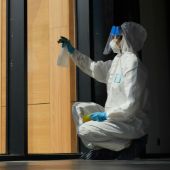
Maintaining a contaminant-free indoor environment is essential for productivity, health, and regulatory compliance in commercial settings. Air testing provides objective data that helps facility managers identify hidden pollutants, assess ventilation performance, and implement corrective actions before issues affect occupants. By systematically monitoring airborne particles, gases, and biological agents, organizations can create workspaces that support employee well-being and meet industry standards for cleanliness and safety.
Why Air Quality Testing Matters
Air quality directly influences comfort, cognitive function, and long-term health. In commercial environments, poor air can lead to increased absenteeism, reduced concentration, and higher risk of respiratory ailments. Testing offers a scientific basis for decisions such as upgrading HVAC systems, adjusting filtration, or modifying cleaning protocols.
- Detects invisible contaminants that visual inspections miss.
- Quantifies pollutant concentrations against occupational exposure limits.
- Provides documentation for compliance audits and insurance purposes.
- Supports proactive maintenance, reducing costly emergency repairs.
For a deeper understanding of the impact of indoor air quality, Read more about this topic.
Key Parameters Measured in Commercial Air Testing
Particulate Matter (PM)
PM includes dust, pollen, and microscopic fibers that can irritate the respiratory system. Testing typically measures PM2.5 and PM10 concentrations to assess filtration efficiency.
Volatile Organic Compounds (VOCs)
VOCs are emitted from paints, adhesives, cleaning agents, and office equipment. Elevated levels may cause headaches, dizziness, or long-term health effects.
Carbon Dioxide (CO???) and Oxygen Levels
CO??? serves as an indicator of ventilation adequacy. High CO??? concentrations suggest insufficient fresh air exchange, which can impair cognitive performance.
Biological Contaminants
Mold spores, bacteria, and allergens are monitored to prevent growth in HVAC ducts and damp areas, protecting occupants from allergic reactions and infections.
To explore the science behind these measurements, Learn more in this detailed guide.
Testing Methods and Technologies
- Real-time monitoring: Portable sensors provide instantaneous data on temperature, humidity, CO???, and PM levels.
- Grab sampling: Air is collected in specialized tubes for laboratory analysis of VOCs and microbial content.
- Continuous sampling: Devices operate over days or weeks, capturing fluctuations caused by occupancy patterns.
- Infrared spectroscopy: Detects specific gases such as formaldehyde and ozone with high sensitivity.
Different facilities may require a combination of these approaches. For practical recommendations on selecting appropriate tools, Explore further insights here.
Benefits of Regular Air Testing
Implementing a routine testing schedule yields measurable advantages:
- Health protection: Early detection of harmful agents reduces the incidence of work-related illnesses.
- Enhanced productivity: Cleaner air supports better focus and decision-making.
- Regulatory compliance: Documentation aligns with standards such as ISO 14644 and local occupational health regulations.
- Cost savings: Preventative actions lower energy consumption and extend equipment lifespan.
For case studies illustrating these outcomes, Find additional information here.
Implementing an Effective Air Testing Program
Step 1 – Baseline Assessment
Conduct an initial comprehensive survey to establish current air quality levels across different zones of the building.
Step 2 – Define Testing Frequency
Determine how often testing should occur based on occupancy density, activity type, and regulatory requirements. High-traffic areas may need monthly checks, while low-use spaces might be assessed quarterly.
Step 3 – Data Analysis and Reporting
Translate raw measurements into actionable insights. Compare results against accepted thresholds and prioritize remediation actions.
Step 4 – corrective Measures
Implement targeted solutions such as upgrading filters, adjusting ventilation rates, or addressing moisture intrusion.
Step 5 – Ongoing Review
Schedule periodic re-testing to verify the effectiveness of interventions and adjust the program as needed.
Guidelines for structuring such a program can be found by Read more about this topic.
Compliance and Industry Standards
Commercial spaces must often adhere to standards that define acceptable air quality levels. Key references include:
- ISO 14644 – Cleanroom and controlled environment classification.
- ASHRAE Standard 62.1 – Ventilation for acceptable indoor air quality.
- Local occupational health and safety regulations governing permissible exposure limits.
Understanding these frameworks helps ensure that testing results are interpreted correctly and that any required corrective actions are justified. For a concise overview of relevant standards, Learn more in this detailed guide.
Choosing the Right Testing Approach
While many service providers offer air testing, the focus should remain on methodology, accreditation, and data integrity rather than brand names. Consider the following criteria:
- Certification of technicians (e.g., ISO/IEC 17025 laboratory accreditation).
- Use of calibrated, industry-approved equipment.
- Transparent reporting format that includes raw data, trend analysis, and recommended actions.
- Ability to tailor testing plans to specific workspace layouts and usage patterns.
When evaluating options, Explore further insights here. to ensure the selected methodology aligns with the facility’s unique needs.
Conclusion
Commercial air testing is a cornerstone of maintaining clean, healthy work environments. By systematically measuring particulate matter, gases, and biological agents, organizations gain the insight required to optimize ventilation, safeguard employee health, and comply with industry standards. A structured testing program, anchored in baseline assessments, regular monitoring, and data-driven remediation, delivers tangible benefits ranging from reduced absenteeism to lower operational costs. Embracing a proactive approach to indoor air quality positions businesses to meet evolving regulatory demands while fostering a productive, safe workspace for all occupants.
