Exploring the Process of Purified Water Filtration Systems
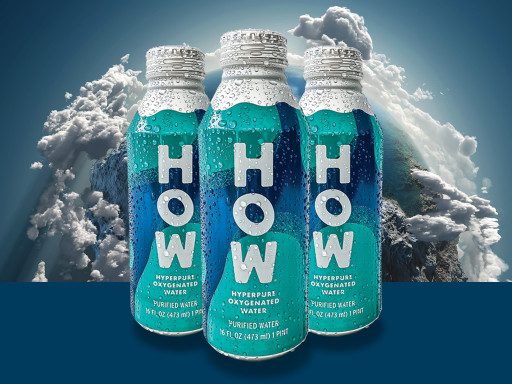
Water is undeniably one of the most crucial resources on our planet, and ensuring its purity is essential for health and well-being. With an increasing emphasis on health-conscious living, the demand for clean and safe drinking water has never been higher. This has led to advancements in water purification technologies, particularly in the realm of purified water filtration systems. Understanding the intricate processes involved in these systems is vital for consumers and industry professionals alike.
The Basics of Purified Water Filtration
Purified water filtration systems are designed to remove contaminants and impurities from water to make it suitable for consumption. These systems typically involve multiple stages of filtration, each targeting specific types of contaminants. The primary objective is to produce purified water that meets stringent safety and quality standards.
Key Components of Filtration Systems
- Pre-filtration: This initial stage removes large particles such as sand, dirt, and sediment. It acts as a preparatory step for more complex filtration processes.
- Activated Carbon Filters: These are crucial for removing chlorine, volatile organic compounds (VOCs), and other chemical contaminants that affect the taste and odor of water.
- Reverse Osmosis: A highly effective method that uses a semipermeable membrane to eliminate dissolved salts, bacteria, and other impurities.
- Ultraviolet (UV) Treatment: This method uses UV light to disinfect water by destroying pathogens, ensuring microbiological safety.
- Post-filtration: The final polishing stage that ensures any remaining impurities are removed, delivering crystal-clear water.
Advantages of Advanced Filtration Systems
The use of advanced filtration technologies offers numerous benefits, making them a preferred choice for households and industries alike.
- Enhanced Safety: By removing a wide array of contaminants, these systems provide safer drinking water, reducing the risk of waterborne diseases.
- Improved Taste and Odor: Eliminating chlorine and other chemicals significantly improves the taste, smell, and overall quality of the water.
- Environmental Benefits: By reducing reliance on bottled water, these systems help decrease plastic waste and promote sustainable practices.
- Cost Efficiency: While the initial investment may be higher, long-term savings are realized by reducing the need for purchasing bottled water.
Considerations When Choosing a Filtration System
Selecting the right purified water filtration system requires careful consideration of various factors to ensure it meets specific needs and preferences.
- Water Quality: Conducting a water quality test can identify the specific contaminants present, guiding the choice of an appropriate system.
- System Type: Options range from basic countertop filters to comprehensive whole-house systems, each catering to different levels of usage and purification needs.
- Maintenance Requirements: Understanding the maintenance needs of a system, such as filter replacement frequency, is crucial for optimal performance.
- Cost: Evaluate the initial cost against long-term benefits and savings to determine the most cost-effective solution.
Conclusion
Purified water filtration systems play a vital role in ensuring access to clean and safe drinking water. By understanding the processes involved and the advantages they offer, consumers can make informed decisions that align with their health and environmental goals. These systems not only provide peace of mind but also contribute to a sustainable future by minimizing the environmental impact of bottled water consumption. As technology continues to evolve, the effectiveness and accessibility of purified water solutions will only improve, paving the way for healthier living.
