Effective Bed Bug Extermination Services
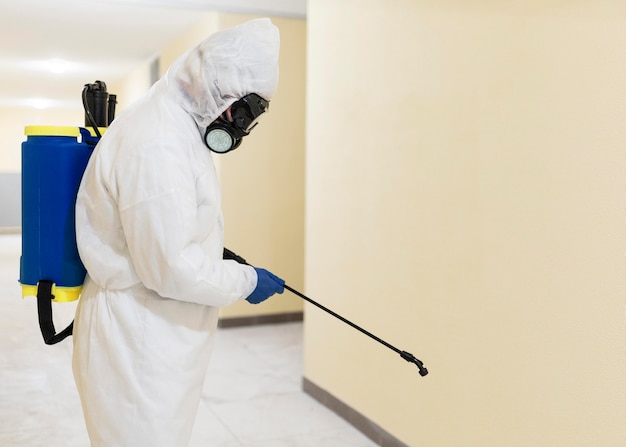
Bed bugs are notorious for their resilience and ability to spread rapidly, causing discomfort and distress in homes and businesses alike. These pests are adept at hiding in small crevices, making them difficult to detect and eliminate without professional intervention. Effective extermination requires a comprehensive strategy that combines inspection, treatment, and prevention, ensuring that these unwelcome guests are fully eradicated and do not return.
Understanding the Bed Bug Lifecycle
A crucial aspect of exterminating bed bugs is understanding their lifecycle, which includes the following stages:
- Eggs: Tiny and translucent, often laid in clusters.
- Nymphs: Immature bed bugs that molt five times before reaching maturity.
- Adults: Fully grown bed bugs capable of reproduction, typically measuring about 5-7 mm in length.
Recognizing these stages is essential for effective treatment, as it helps in targeting the pests at all phases of development. Discover expert strategies here for a more detailed understanding of the bed bug lifecycle.
Inspection and Detection Techniques
The first step in an effective extermination process is a thorough inspection to identify the extent of the infestation. Inspection techniques include:
- Visual Inspection: Checking common hiding spots such as bedding, furniture, and crevices.
- Use of Detection Tools: Devices such as bed bug interceptors and specially trained dogs.
- Monitoring: Setting up traps and detection devices to monitor activity over time.
A detailed inspection helps in formulating a targeted treatment plan. Learn about our tailored solutions for effective bed bug detection and monitoring.
Comprehensive Treatment Options
Chemical Treatments
Chemical treatments are often a cornerstone of bed bug management, using insecticides that are safe for humans but deadly for pests. These treatments include:
- Residual Sprays: Applied to areas where bed bugs are likely to hide.
- Aerosol Sprays: Used for quick knockdown of active bugs.
- Dust Insecticides: Effective in cracks and crevices, providing long-lasting protection.
Explore advanced guides and tips on selecting the right chemical treatment for specific situations.
Non-Chemical Treatments
Non-chemical methods can be used in conjunction with chemical treatments or as standalone solutions. These methods include:
- Heat Treatments: Raising temperatures to levels lethal to bed bugs.
- Steam Treatments: Effective for penetrating deep into fabrics and furniture.
- Vacuuming: Removing bugs from surfaces and cracks.
Find out more about this approach for environmentally friendly extermination options.
Prevention and Maintenance
After extermination, maintaining a bed bug-free environment is essential. Prevention strategies include:
- Regular Inspections: Periodic checks to catch any new infestations early.
- Protective Covers: Using mattress and box spring encasements.
- Clutter Reduction: Minimizing hiding spots for bed bugs.
Continuous vigilance is key to preventing future infestations. Explore advanced guides and tips for maintaining a pest-free home.
For more insights, check out customer reviews here to see what others are saying about the effectiveness of these strategies.
