Assisted Living Technology for Secure Home Living
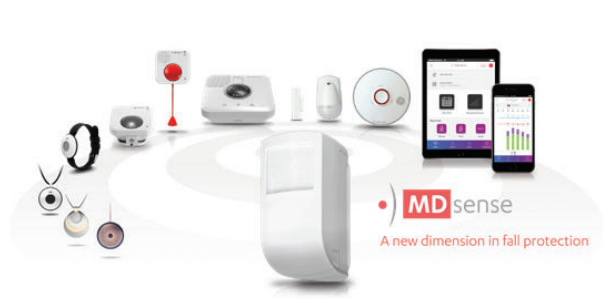
In an age where technology is rapidly evolving, assisted living technology plays a critical role in ensuring secure and comfortable home living for the elderly and those with specific care needs. By integrating technological advancements into daily life, individuals can maintain their independence while benefiting from enhanced safety measures. This article delves into the various facets of assisted living technology, illustrating how it can transform home environments into secure havens.
Understanding Assisted Living Technology
Assisted living technology encompasses a range of devices and systems designed to support individuals with their daily tasks, ensuring they live safely and independently. These technologies can be categorized into several key areas:
- Health Monitoring Systems: Devices that track vital signs such as heart rate, blood pressure, and glucose levels, providing real-time data to healthcare providers.
- Emergency Response Systems: Wearable devices or home-based systems that alert emergency services or caregivers when immediate assistance is needed.
- Smart Home Automation: Integration of smart devices like lights, thermostats, and security systems to enhance convenience and safety.
- Medication Management: Automated dispensers and reminders to ensure timely and accurate medication intake.
The Impact of Technology on Home Security
With the advent of smart technology, home security has seen significant improvements, particularly in the realm of assisted living. Here are some ways technology enhances home security:
Smart Security Systems
Smart security systems offer remote surveillance and control features, allowing caregivers and family members to monitor the home environment even from a distance. These systems may include:
- Video Surveillance: Real-time video feeds accessible through smartphones or computers.
- Motion Sensors: Alerts when unusual movement is detected within the home.
- Door and Window Sensors: Notifications when doors or windows are opened unexpectedly.
For those interested in integrating these technologies, find additional information here.
Emergency Response Enhancements
Emergency response systems have evolved to provide more immediate and effective assistance. These systems can be tailored to fit individual needs, with features such as:
- Wearable Devices: Pendants or wristbands equipped with SOS buttons for quick alerts.
- Fall Detection: Sensors that automatically detect falls and alert emergency contacts.
To explore further insights into these systems, read more about this topic.
Challenges and Considerations
While the benefits of assisted living technology are vast, there are challenges and considerations to keep in mind:
- Privacy Concerns: With increased monitoring, individuals may feel a loss of privacy.
- Technology Adoption: Elderly individuals might find it challenging to adapt to new technologies.
- Cost Implications: High upfront costs may be a barrier for some households.
Addressing these challenges involves careful planning and a focus on user-friendly designs. For those seeking guidance on overcoming these obstacles, learn more in this detailed guide.
Future of Assisted Living Technology
As technology continues to advance, the future of assisted living technology holds exciting possibilities. Innovations such as artificial intelligence and the Internet of Things (IoT) are expected to drive further improvements in personalized care and home security. These advancements aim to provide:
- Enhanced Predictive Analytics: Anticipating health issues before they occur.
- Improved Connectivity: Seamless integration between devices and healthcare providers.
The ongoing development in this field promises to deliver more sophisticated solutions, enhancing the quality of life for those benefiting from assisted living technologies. To stay updated on future trends, explore further insights here.
In conclusion, assisted living technology is reshaping the landscape of secure home living. By adopting these innovations, individuals can enjoy a safer, more comfortable, and independent lifestyle. As the technology continues to evolve, it will undoubtedly offer even more robust solutions, making home living not only possible but also preferable for many individuals.
