Best Ashwagandha Extract vs. Capsules: Which Ashwagandha Supplement Wins?
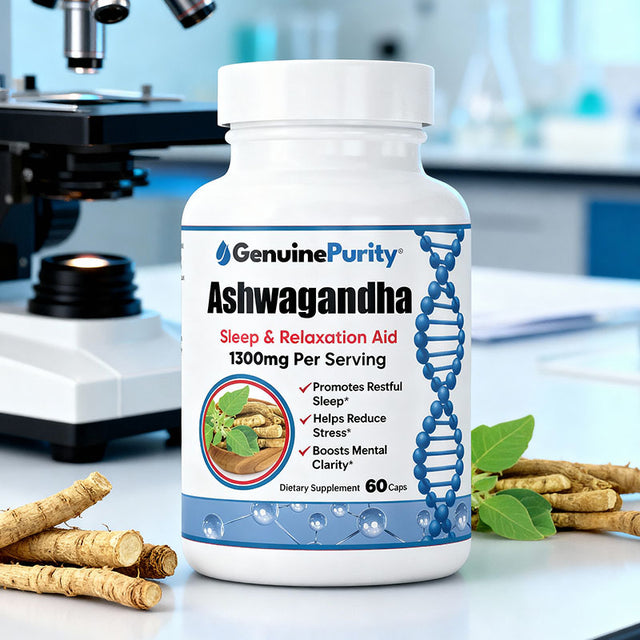
When it comes to adaptogenic herbs, ashwagandha stands out for its ability to support stress resilience, cognitive function, and overall vitality. Yet the market offers a bewildering array of formats, powders, tinctures, capsules, and high-potency extracts, making it difficult to decide which product delivers the most consistent results. This article breaks down the two most common delivery methods, ashwagandha extract and ashwagandha capsules, examining their bioavailability, dosing precision, convenience, and cost-effectiveness. By the end, readers will have a clear understanding of which form aligns best with their health goals and lifestyle.
Understanding the Two Forms
Ashwagandha Extract
Extracts are concentrated preparations that isolate the active constituents of the root, primarily withanolides. The extraction process typically uses alcohol or water, resulting in a product that can contain 5%-10% withanolides or higher. Because the active compounds are concentrated, a smaller serving size can provide a potent dose.
Ashwagandha Capsules
Capsules usually contain powdered ashwagandha root or a blend of root powder with a standardized extract. The advantage of capsules lies in their familiar format and ease of ingestion, especially for those who prefer a “set-and-forget” routine. However, the potency can vary depending on the proportion of raw powder versus extract inside each capsule.
Key Comparison Factors
- Bioavailability – Extracts often deliver higher withanolide absorption because the compounds are pre-solubilized. Capsules that rely on whole-root powder may require larger doses to achieve the same effect.
- Dosing Accuracy – Extracts are measured in milligrams of withanolides, allowing precise control. Capsule strength is expressed in milligrams of total powder, which can mask the actual active content.
- Convenience – Capsules win on portability and taste neutrality. Extracts may need a liquid carrier or a small amount of water, which can be less convenient on the go.
- Cost per Active Dose – While extracts can appear pricier per bottle, the higher concentration often means fewer capsules or drops are needed, potentially lowering the cost per effective dose.
- Stability – Both formats are stable when stored properly, but capsules protect the powder from moisture and light, whereas extracts should be kept in a cool, dark place to preserve potency.
When Extracts Are the Better Choice
If the primary goal is to achieve a therapeutic level of withanolides with minimal daily intake, extracts are typically superior. They are especially beneficial for:
- Individuals with limited gastrointestinal tolerance who need a low-volume supplement.
- Athletes seeking rapid recovery benefits without consuming large amounts of bulk powder.
- People who track exact nutrient intake and prefer a product that lists ashwagandha extract potency on the label.
When Capsules Are More Practical
Capsules shine in scenarios where simplicity and routine matter most. They are ideal for:
- Travelers or busy professionals who need a hassle-free supplement.
- Those who dislike the earthy taste of raw powder or liquid extracts.
- Consumers looking for a product that can be easily combined with other supplements in a daily regimen, such as a multivitamin stack.
Quality Considerations Across Both Formats
Regardless of format, the credibility of the manufacturer is paramount. Look for products that:
- Provide third-party lab testing results for purity and potency.
- Use organic, non-GMO ashwagandha sourced from reputable farms.
- Offer transparent labeling that specifies the exact withanolide percentage.
Brands that meet these criteria often appear in searches for the best ashwagandha supplement and are trusted by health professionals.
Cost Analysis: Extract vs. Capsules
To illustrate the financial aspect, consider a typical 60-day supply:
| Form | Typical Price (USD) | Effective Daily Dose | Cost per Effective Dose |
|---|---|---|---|
| Extract (10% withanolides) | $45 | 300″?mg withanolides | $0.75 |
| Capsules (500″?mg root powder) | $30 | 500″?mg powder (???2% withanolides) | $0.60 |
While capsules may appear cheaper per bottle, the extract delivers a higher concentration of active compounds, which can translate to better results for a comparable cost per active dose.
How to Choose the Right Product for You
- Define Your Goal: Stress reduction? Sleep support? Athletic recovery? Higher withanolide levels (extract) often yield quicker outcomes.
- Assess Lifestyle: If you travel frequently, capsules may fit better.
- Check Label Transparency: Look for clear statements of ashwagandha capsules potency or extract strength.
- Trial Period: Start with a low dose of extract or a single capsule daily and monitor how your body responds.
Final Verdict: Which Wins?
The decision ultimately hinges on individual priorities. For those who value maximum potency, precise dosing, and a lower volume of supplement, the ashwagandha extract format emerges as the winner. Conversely, if convenience, taste neutrality, and a familiar delivery method are paramount, high-quality ashwagandha capsules provide a reliable alternative.
Regardless of the chosen form, selecting a product that is third-party tested, organically sourced, and clearly labeled will ensure you reap the full adaptogenic benefits of this ancient herb. For anyone ready to incorporate ashwagandha into their daily routine, the next step is simply to buy ashwagandha from a reputable source and monitor the results.
