Choosing the Right Recycling Equipment Manufacturer for Your Business
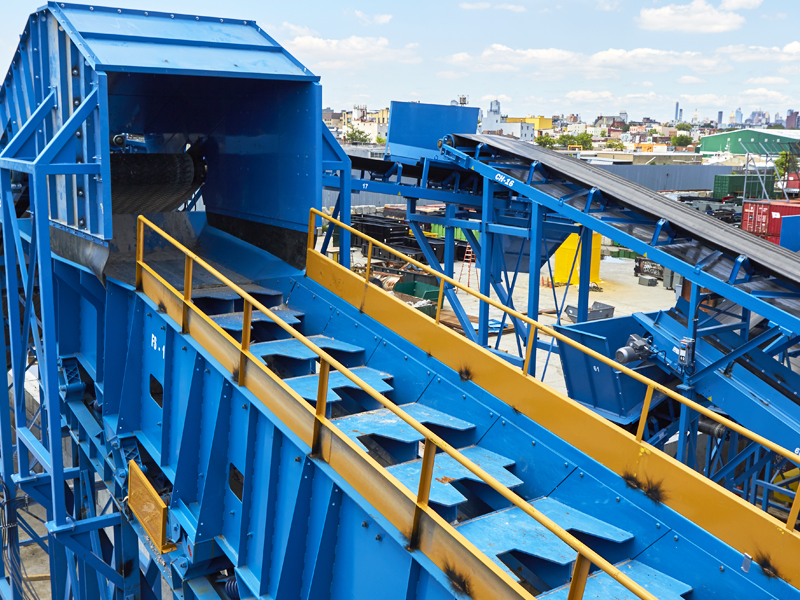
Choosing the right recycling equipment manufacturer can be a pivotal decision for any business looking to enhance its sustainability practices and operational efficiency. With the increasing importance of environmental responsibility, businesses are more inclined than ever to integrate sophisticated recycling solutions into their operations. However, the process of selecting a suitable manufacturer can be overwhelming given the myriad of options available. This guide aims to provide a structured approach to help businesses make informed choices, ensuring that they invest in equipment that aligns with their specific needs and long-term sustainability goals.
Understanding the Needs of Your Business
Before embarking on the search for a recycling equipment manufacturer, it’s crucial to have a clear understanding of the specific needs of your business. Different industries have varying recycling requirements, and identifying these is the first step towards making an informed decision.
- Assess the types of materials to be recycled: Are you dealing with plastics, metals, paper, or mixed materials?
- Evaluate the volume of recyclable materials: Understanding the quantity will help in selecting equipment that can handle your capacity needs.
- Consider space constraints: Determine how much space is available for the installation and operation of the recycling equipment.
For businesses looking to delve deeper into identifying their recycling needs, Discover expert strategies here.
Evaluating Manufacturer Capabilities
Once the specific needs are identified, the next step is to evaluate the capabilities of potential manufacturers. It’s important to ensure that the chosen manufacturer is capable of delivering equipment that meets the operational demands of your business.
Key Factors to Consider
- Experience and Reputation: Look for manufacturers with a proven track record in the industry. Experience often correlates with reliability and expertise.
- Technology and Innovation: Evaluate whether the manufacturer offers state-of-the-art technology that can enhance efficiency and effectiveness in recycling processes.
- Customization Options: Some businesses may require tailored solutions to meet their unique recycling challenges. Check if the manufacturer can provide customized equipment solutions.
- After-Sales Support: Reliable after-sales service is crucial for maintaining equipment and minimizing downtime. Consider manufacturers known for their excellent support services.
To gain further insights, businesses can Learn about our tailored solutions that enhance operational efficiency and sustainability.
Cost Considerations
Cost is a significant factor in the decision-making process. However, it should not be the sole determinant. It’s essential to find a balance between cost-effectiveness and quality.
- Initial Purchase Cost: This includes the price of the equipment and any initial setup fees.
- Operating Costs: Consider the long-term costs associated with operating the equipment, including energy consumption and maintenance expenses.
- Return on Investment (ROI): Evaluate the potential ROI in terms of savings from improved efficiency and reduced waste disposal costs.
For more comprehensive guidance on balancing cost and quality, Explore advanced guides and tips.
Regulatory Compliance and Environmental Impact
Ensuring that the recycling equipment complies with industry standards and environmental regulations is crucial. Non-compliance can result in hefty fines and damage to the business’s reputation.
- Check for Certifications: Ensure that the equipment is certified by relevant industry bodies.
- Assess Environmental Impact: Choose equipment that minimizes environmental impact through efficient energy use and reduced emissions.
To understand more about regulatory compliance, Find out more about this approach.
In conclusion, selecting the right recycling equipment manufacturer involves a careful evaluation of your business needs, manufacturer capabilities, cost considerations, and regulatory compliance. By following a structured approach, businesses can ensure they invest in equipment that not only meets their operational needs but also supports their sustainability objectives. For businesses seeking expert advice and advanced recycling solutions, the resources available through leading industry experts can provide valuable guidance.
