Efficient Property Maintenance Coordination
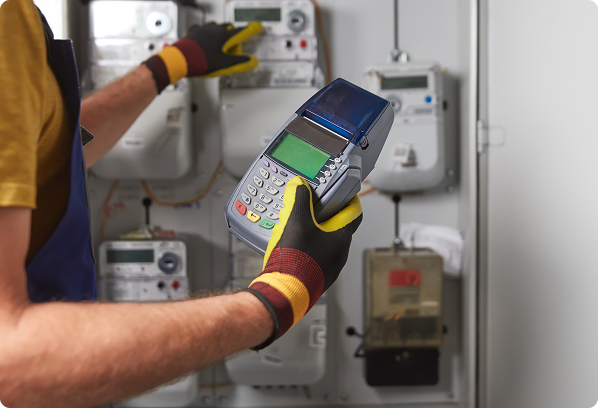
Property maintenance is a crucial aspect of real estate management, ensuring that all physical aspects of a property remain functional and aesthetically pleasing. Efficient coordination in property maintenance not only preserves the value of the asset but also enhances the tenant experience. With the increasing complexity of property management, effective coordination strategies have become indispensable. This article delves into key practices that can streamline property maintenance coordination, offering insights into optimization techniques and strategic planning necessary for seamless operations.
Understanding the Fundamentals of Property Maintenance
Property maintenance encompasses a wide range of tasks that ensure the property is safe, functional, and appealing. These tasks can be categorized into:
- Preventive Maintenance: Regular inspections and scheduled upkeep to prevent unexpected issues.
- Corrective Maintenance: Repair tasks that address specific problems as they arise.
- Routine Maintenance: Daily activities that maintain the property’s operational standards.
By understanding these categories, property managers can allocate resources effectively and maintain a proactive approach to property care. Find additional information here.
Key Strategies for Efficient Coordination
Implementing a Robust Maintenance Schedule
A well-structured maintenance schedule is critical for efficient property management. It helps in planning and prioritizing tasks, ensuring that no maintenance activity is overlooked. To implement a robust schedule, consider:
- Regular inspections to identify potential issues early.
- Prioritizing tasks based on urgency and impact.
- Documenting all maintenance activities for future reference.
Explore further insights here on establishing an effective maintenance schedule.
Leveraging Technology for Maintenance Coordination
Technology plays a pivotal role in enhancing property maintenance coordination. Utilizing property management software can streamline communication, track maintenance requests, and automate scheduling. Key benefits include:
- Real-time updates on maintenance tasks and status.
- Efficient communication channels between tenants and management.
- Data-driven insights for improved decision-making.
Learn more in this detailed guide about the impact of technology on property management.
Training and Development for Maintenance Staff
The effectiveness of property maintenance largely depends on the skills and expertise of the maintenance staff. Investing in regular training and development can lead to:
- Enhanced skill sets and knowledge of the latest maintenance techniques.
- Improved safety standards and compliance with regulations.
- Increased job satisfaction and productivity among staff.
Read more about this topic to understand the importance of training in property maintenance.
Conclusion
Efficient property maintenance coordination is essential for the sustained value and functionality of a property. By leveraging strategic planning, technology, and skilled personnel, property managers can effectively handle maintenance tasks, ensuring optimal tenant satisfaction and asset longevity. Continual improvement and adaptation to new methods and technologies remain at the core of successful property management. Explore further insights here to enhance your property maintenance strategy.
