Enhancing Neurological Health with Hyperbaric Oxygen Therapy
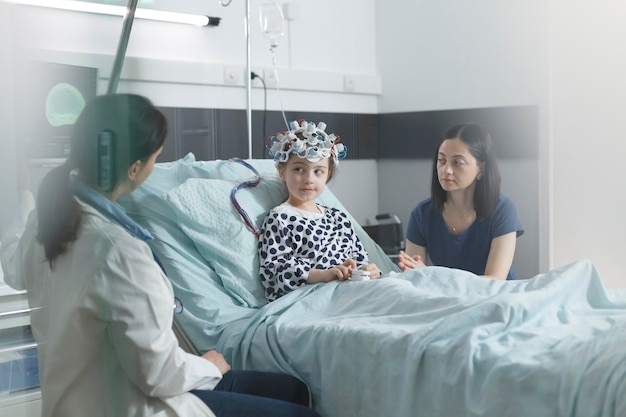
Hyperbaric Oxygen Therapy (HBOT) has emerged as a compelling adjunctive treatment in the field of neurological health. This therapy involves the administration of oxygen at higher atmospheric pressures, enhancing the body?s natural healing processes by delivering concentrated oxygen to areas that require repair or regeneration. The therapeutic potential of HBOT is gaining recognition among medical professionals for its ability to support neurological recovery and improve quality of life for patients with various conditions.
Understanding Hyperbaric Oxygen Therapy
Hyperbaric Oxygen Therapy operates on the principle of saturating the body with oxygen in a pressurized environment. This increases the blood’s oxygen-carrying capacity, leading to numerous physiological benefits that are particularly relevant to neurological health.
- Enhances oxygen delivery to the brain.
- Promotes neuroplasticity and brain repair.
- Stimulates angiogenesis, the formation of new blood vessels.
- Reduces inflammation and oxidative stress.
- Accelerates recovery from brain injuries.
To explore advanced guides and tips on how HBOT might benefit neurological conditions, explore advanced guides and tips.
Applications in Neurological Conditions
HBOT is being actively researched and applied in various neurological conditions, with promising results. It is particularly helpful in conditions such as:
Traumatic Brain Injury (TBI)
Patients suffering from TBI can experience significant improvements in cognitive function and overall quality of life with HBOT. The therapy aids in reducing brain swelling and inflammation, thereby promoting faster recovery. Find out more about this approach.
Stroke Recovery
HBOT has shown potential in aiding stroke recovery by enhancing the brain’s ability to heal damaged tissue. The increased oxygen availability helps in restoring function and reducing recovery time. Learn about our tailored solutions.
Autism Spectrum Disorders
While research is still ongoing, some studies suggest that HBOT may alleviate symptoms of autism by improving cerebral perfusion and reducing inflammation. This offers a hopeful avenue for families seeking alternative treatments. Discover expert strategies here.
Research and Future Directions
Continued research into HBOT promises to expand its applications and improve treatment protocols. Ongoing studies are focused on:
- Quantifying the long-term benefits of HBOT in chronic neurological conditions.
- Identifying optimal treatment durations and pressures for diverse conditions.
- Combining HBOT with other therapeutic modalities to enhance outcomes.
For a deeper understanding of ongoing research and methodologies, explore advanced guides and tips.
Conclusion
The integration of Hyperbaric Oxygen Therapy into neurological treatment plans marks a significant advancement in medical science. Its ability to enhance brain function and support recovery from various conditions highlights its importance in modern therapeutic strategies. As research continues to unfold, the potential of HBOT to transform neurological health care becomes increasingly evident. Find out more about this approach.
