Essential Elements of Interior Architectural Detailing
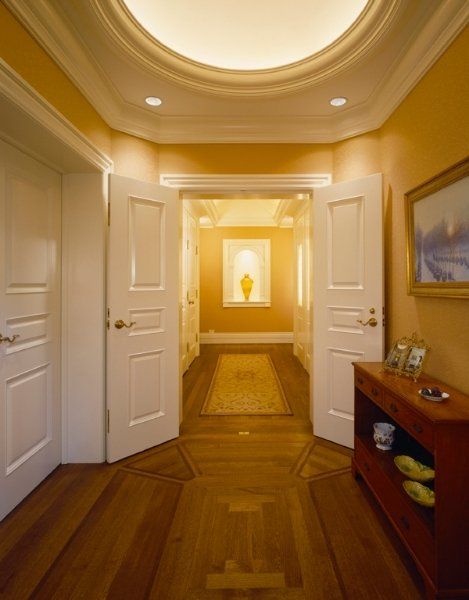
Interior architectural detailing is a vital element in the design and construction of spaces that are both aesthetically pleasing and functionally robust. The details incorporated into the architecture can significantly impact the overall feel and usability of a space, making them an essential aspect of any design project. Understanding the essential elements of interior architectural detailing allows architects and designers to create environments that are not only beautiful but also harmonious and cohesive.
Understanding Interior Architectural Detailing
Interior architectural detailing involves the fine-tuning and finishing touches that elevate a design from ordinary to extraordinary. These details include a wide range of elements such as moldings, trim, and other finishes that ensure a space is complete and refined.
Key Components of Interior Architectural Detailing
- Trim and Molding: These elements frame doors, windows, and other features, adding depth and character to a room. Architectural trim and molding design play a crucial role in defining the style and enhancing the visual appeal.
- Wall and Ceiling Treatments: The use of paneling, coffered ceilings, and other treatments can add texture and interest, creating a unique and personalized space.
- Custom Millwork: This involves bespoke woodwork that is tailored to the specific needs of a space. Custom architectural details ensure that every piece fits perfectly and enhances the overall design.
- Flooring Details: The choice of materials, patterns, and finishes in flooring can significantly impact the ambiance and functionality of a space.
The Importance of Customization
Customization in architectural detailing allows for a personalized approach that reflects the unique tastes and requirements of the client. A custom home detailing architect can tailor every aspect of a design to ensure that the space is not only beautiful but also perfectly suited to the client’s lifestyle and needs.
Benefits of Customization
- Personalization: Customization offers the ability to incorporate personal tastes and preferences into the design, resulting in a space that feels uniquely yours.
- Enhanced Functionality: By tailoring details to the specific use of the space, customization can improve usability and comfort.
- Value Addition: Personalized details can increase the value of a property by making it stand out in the market.
Integrating Luxury and Style
Luxury is often synonymous with detailed, high-quality design elements. A luxury home detailing architect will ensure that every aspect of the design is executed with precision and an eye for elegance.
Luxury Detailing Elements
- High-End Materials: The use of premium materials such as marble, hardwoods, and bespoke metals can elevate a space to luxury standards.
- Finishing Touches: Attention to small details, such as fixtures and hardware, can make a significant difference in the overall perception of luxury.
- Integrated Technology: Incorporating smart technology seamlessly into the design can enhance the modernity and convenience of a luxury space.
Conclusion
Incorporating residential architectural details into a project is a meticulous process that requires a keen eye for detail and a deep understanding of design principles. Whether the goal is to create a luxurious abode or a cozy retreat, the essential elements of interior architectural detailing are crucial in crafting spaces that are both beautiful and functional. For those seeking to transform their living spaces, engaging with expert architects skilled in interior architectural detailing is key to achieving a design that is not only aesthetically pleasing but also timeless and enduring.
