Exploring the Benefits of Tesamorelin Research Compound
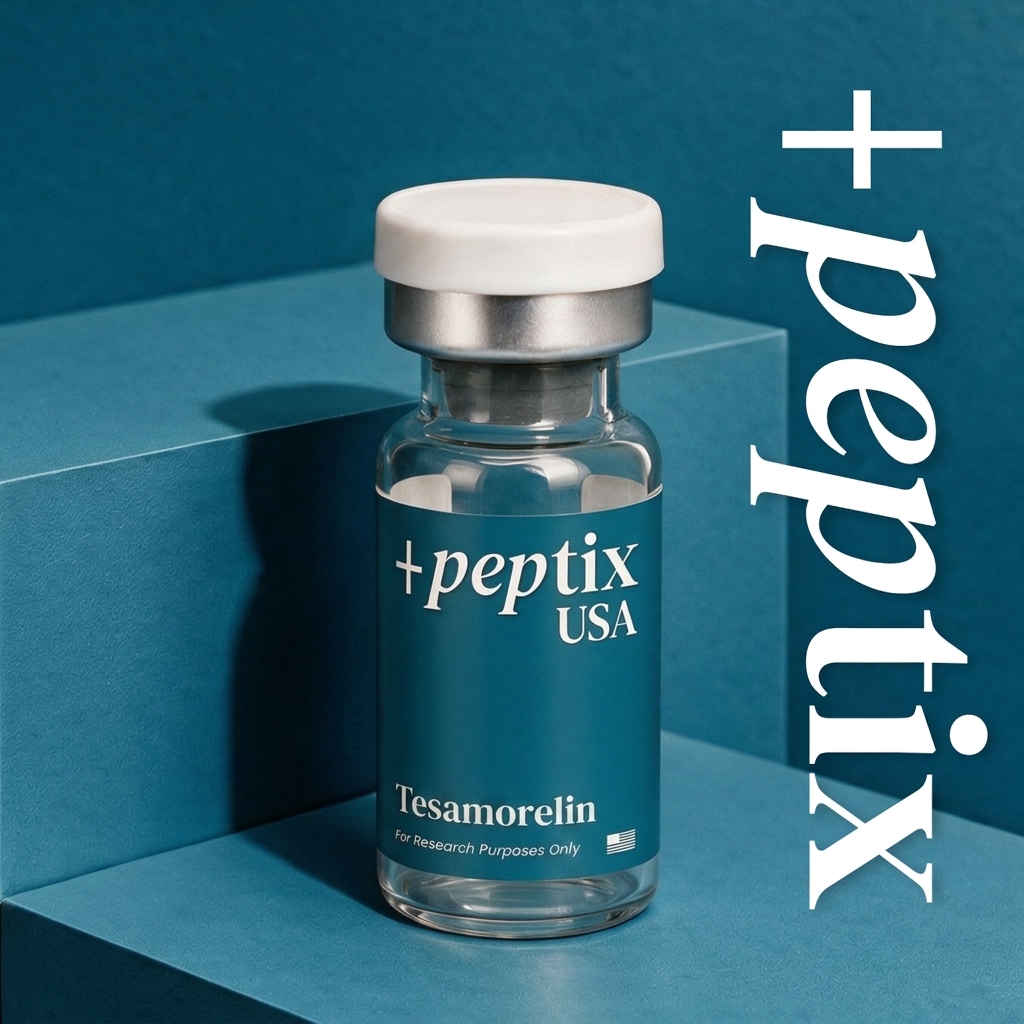
In the realm of scientific research, the discovery and application of compounds that can enhance human health is a continuous journey. One such compound that has garnered significant interest is Tesamorelin. Originally developed for a specific medical application, Tesamorelin is now being explored for its potential benefits in various research scenarios. As a synthetic growth hormone-releasing hormone (GHRH) analog, Tesamorelin has demonstrated promising effects that could be beneficial for both clinical and laboratory research.
Understanding Tesamorelin
Tesamorelin is a synthetic peptide that stimulates the pituitary gland to secrete growth hormone. This action is primarily beneficial in conditions where growth hormone deficiency is a concern. Initially, it was approved for the reduction of excess abdominal fat in HIV-infected patients with lipodystrophy. However, the scope of Tesamorelin Research Compound has expanded, with researchers now investigating its broader applications.
Potential Benefits in Research
Metabolic Improvements
One of the key areas of interest in Tesamorelin Laboratory Research is its potential to improve metabolic health. Studies suggest that Tesamorelin may:
- Enhance lipid profiles by reducing triglycerides and improving cholesterol levels.
- Decrease visceral adipose tissue, potentially benefiting individuals with obesity-related conditions.
- Improve insulin sensitivity, which could be advantageous in managing or researching diabetes.
Cognitive Function
Recent studies have started to explore the role of Tesamorelin in cognitive function. Preliminary findings indicate that Tesamorelin might have neuroprotective effects, which include:
- Potential improvements in memory and cognitive processing.
- Reduction in the risk factors associated with neurodegenerative diseases.
Applications in Body Composition Research
In the context of body composition research, the Tesamorelin Research Product is being examined for its ability to affect muscle mass and fat distribution. Research indicates that it could contribute to:
- Increased lean muscle mass, beneficial for studies focused on muscle wasting conditions.
- Altered fat distribution, which is crucial for understanding obesity and related metabolic disorders.
Considerations for Researchers
While the potential benefits of Tesamorelin are compelling, it is essential for researchers to consider the following factors when incorporating it into their studies:
- Dosage and Administration: Proper dosage and administration protocols must be followed to ensure accurate results.
- Regulatory Compliance: Ensure that all research involving Tesamorelin complies with local and international regulations.
- Ethical Considerations: Ethical guidelines must be adhered to, especially when research involves human subjects.
Conclusion
Tesamorelin presents a promising avenue for research across various fields, from metabolic health to cognitive function and body composition. As the understanding of its mechanisms and effects continues to evolve, Tesamorelin remains a vital component of scientific inquiry. Researchers are encouraged to explore its potential benefits further, keeping in mind the importance of ethical research practices and regulatory compliance. For those interested in delving deeper into this compound, considering the integration of Tesamorelin Laboratory Research into their studies could yield valuable insights and advancements in their respective fields.
