Innovative Temperature Control Solutions for Industrial Environments
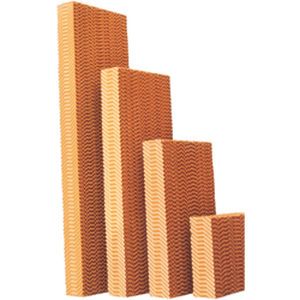
In the fast-paced world of industrial operations, maintaining optimal temperature control is a critical factor that can directly impact productivity, efficiency, and safety. As industries continue to evolve, so do the innovative solutions designed to manage temperatures effectively in these often challenging environments. From advanced climate control systems to smart monitoring technologies, the landscape of temperature regulation is transforming, offering industries a wide array of options to ensure their operations run smoothly.
Advanced Climate Control Systems
Modern climate control systems have revolutionized how temperatures are managed within industrial settings. These systems are designed to offer precise temperature regulation to accommodate the specific needs of various industrial processes. Some notable features include:
- Automated temperature adjustments that respond to real-time environmental changes.
- Energy-efficient operations that reduce overall energy consumption.
- Scalable solutions that can be adapted to both small and large industrial environments.
To explore further insights into these advanced systems, find additional information here.
Smart Monitoring Technologies
Incorporating smart monitoring technologies into temperature control solutions provides a significant advantage in terms of efficiency and accuracy. These technologies offer:
- Continuous real-time monitoring of temperature levels across various industrial zones.
- Data analytics capabilities that provide actionable insights for optimizing system performance.
- Remote access and control, enabling managers to oversee operations from any location.
Learn more in this detailed guide on how smart technologies are reshaping temperature management by visiting this link.
Energy Efficiency and Sustainability
Another critical aspect of modern temperature control solutions is their focus on energy efficiency and sustainability. These solutions are designed to minimize the environmental impact of industrial operations while maintaining optimal performance. Key elements include:
- Integration of renewable energy sources, such as solar or wind, into temperature control systems.
- Use of environmentally friendly refrigerants and materials.
- Implementation of energy-saving technologies that reduce waste and lower operational costs.
To read more about this topic and understand the sustainable practices being adopted, explore further insights here.
Customization and Scalability
Industrial environments often have unique needs, making customization and scalability essential components of effective temperature control solutions. By tailoring systems to specific operational requirements, industries can achieve optimal performance. Important considerations include:
- Modular design that allows for easy expansion or reduction of system capabilities.
- Customizable settings to meet the precise temperature needs of different processes.
- Integration with existing infrastructure to ensure seamless operation.
Learn more about how customized solutions can benefit specific industrial applications.
Future Trends in Temperature Control
The future of temperature control in industrial environments is set to be influenced by advancements in technology and changing environmental standards. Emerging trends include:
- Increased use of artificial intelligence and machine learning to enhance predictive maintenance and system optimization.
- Development of more compact and efficient systems to fit within limited spaces.
- Greater emphasis on IoT connectivity for seamless integration of different industrial systems.
For additional information on upcoming trends and innovations, read more about this topic.
As industries continue to adapt to the demands of modern production, innovative temperature control solutions will play a pivotal role in ensuring operational success and sustainability. Through advanced technologies, energy efficiency, and customization, these solutions provide the necessary tools to navigate the complexities of industrial environments effectively.
