Managing dehydration in pregnancy: Practical tips for staying hydrated
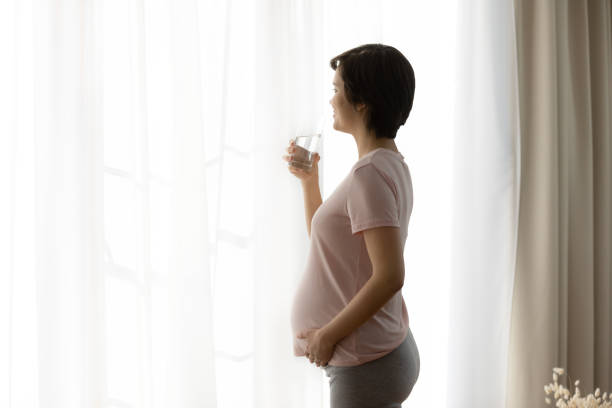
Managing dehydration in pregnancy requires a comprehensive approach to hydration and electrolyte balance. Proper hydration is essential for maintaining the health of both the mother and the fetus. Dehydration in pregnancy can lead to complications such as preterm labor, low birth weight, and even stillbirth.
Understanding Dehydration in Pregnancy
Dehydration occurs when the body loses more fluids than it takes in, causing an imbalance in the body’s electrolyte levels. In pregnancy, dehydration can be caused by various factors, including increased blood volume, hormonal changes, and inadequate fluid intake. Women who experience morning sickness, for example, may be at a higher risk of dehydration due to the excessive vomiting and fluid loss.
Causes and Risk Factors
Some common causes and risk factors of dehydration in pregnancy include:
- Increased blood volume: As the pregnancy progresses, the mother’s blood volume increases to accommodate the growing fetus, which can lead to dehydration if not properly managed.
- Morning sickness: Frequent and severe vomiting can lead to dehydration if not treated promptly.
- Hormonal changes: Changes in hormone levels during pregnancy can affect the body’s ability to regulate fluid balance.
- Adequate fluid intake: Inadequate fluid intake can contribute to dehydration, especially during hot weather or in women who engage in strenuous physical activity.
Practical Tips for Staying Hydrated
Fortunately, dehydration in pregnancy can be prevented or managed with some simple and practical tips. Some effective ways to stay hydrated include:
- Drink plenty of water: Aim to drink at least eight glasses of water per day, and more if you are experiencing morning sickness or other symptoms of dehydration.
- Monitor urine output: If your urine is dark yellow or you are not urinating frequently enough, it may be a sign of dehydration.
- Eat hydrating foods: Include foods rich in water content, such as fruits and vegetables, in your diet to help stay hydrated.
- Avoid caffeine and diuretics: Caffeine and diuretics can exacerbate dehydration, so it’s best to limit or avoid them altogether.
Managing Dehydration in Pregnancy
If you suspect that you are experiencing dehydration in pregnancy, it’s essential to seek medical attention promptly. In the meantime, here are some tips to help manage dehydration:
- Drink electrolyte-rich beverages: Drink beverages that contain electrolytes, such as coconut water or sports drinks, to help replenish lost electrolytes.
- Rest: Get plenty of rest to help your body recover from dehydration.
- Monitor your baby’s movement: If you experience any unusual symptoms or changes in your baby’s movement, seek medical attention immediately.
For more information on managing dehydration in pregnancy, visit dehydration in pregnancy for expert advice and resources.
In conclusion, managing dehydration in pregnancy requires a comprehensive approach to hydration and electrolyte balance. By understanding the causes and risk factors of dehydration, following practical tips for staying hydrated, and seeking medical attention promptly if symptoms occur, women can reduce their risk of dehydration and ensure a healthy pregnancy.
