Pharmaceutical Dehumidification Solutions Demystified
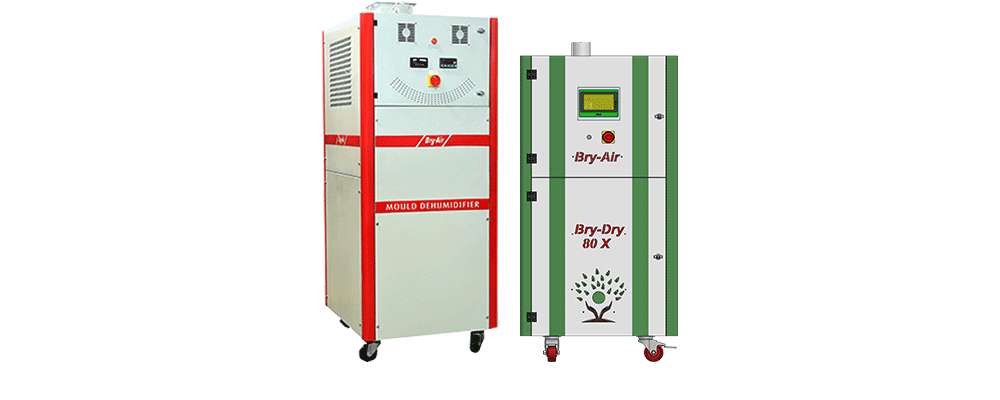
In the pharmaceutical industry, maintaining optimal environmental conditions is crucial to ensure the quality and efficacy of products. One of the most challenging aspects of climate control in this field is managing humidity levels. Excess moisture can lead to compromised products, equipment malfunction, and significant financial losses. Consequently, understanding and implementing effective dehumidification solutions is essential for pharmaceutical companies. This article delves into the intricacies of pharmaceutical dehumidification, offering insights into the methods and technologies available to combat humidity-related challenges.
Importance of Dehumidification in Pharmaceuticals
Dehumidification plays a pivotal role in ensuring the integrity and safety of pharmaceutical products. The production and storage of pharmaceuticals demand specific humidity levels to prevent contamination, degradation, and other adverse effects. High humidity can lead to:
- Decomposition of Active Pharmaceutical Ingredients (APIs)
- Clumping and caking of powdered substances
- Corrosion of sensitive equipment
- Microbial growth on products and surfaces
To counter these issues, it’s essential to implement precise and reliable dehumidification systems tailored to the specific needs of pharmaceutical facilities. Find additional information here about maintaining optimal humidity levels in pharmaceutical environments.
Types of Dehumidification Technologies
Desiccant Dehumidifiers
Desiccant dehumidifiers are a popular choice in the pharmaceutical industry due to their efficiency in low humidity environments. They work by using absorbent materials that capture moisture from the air. Some advantages of desiccant dehumidifiers include:
- Ability to achieve very low humidity levels
- Effective in varying temperature conditions
- Suitable for large-scale operations
Explore further insights here on how desiccant technology can benefit pharmaceutical applications.
Refrigerant Dehumidifiers
Refrigerant dehumidifiers, also known as mechanical dehumidifiers, function by cooling air to condense and remove moisture. They are generally used in environments with higher humidity levels and are effective due to their:
- Cost-effectiveness for moderate humidity control
- Efficiency in warmer climates
- Ease of maintenance and operation
For a comprehensive understanding of refrigerant dehumidifiers, learn more in this detailed guide.
Key Considerations for Implementing Dehumidification Solutions
When selecting and implementing dehumidification systems, several factors should be taken into account to ensure optimal performance and cost-effectiveness. These considerations include:
- Facility Layout: Understanding the layout and specific areas that require humidity control is crucial.
- Humidity Requirements: Different stages of pharmaceutical production may demand varying humidity levels.
- Energy Efficiency: Choosing energy-efficient models can lead to significant cost savings over time.
- System Integration: Seamless integration with existing HVAC systems can enhance overall performance.
- Maintenance Needs: Regular maintenance schedules ensure continuous and reliable operation.
To delve deeper into these considerations, read more about this topic.
Conclusion
Effective dehumidification is a cornerstone of pharmaceutical manufacturing and storage. By understanding the types of dehumidification technologies and key considerations for their implementation, pharmaceutical companies can ensure the safety and efficacy of their products. Learn more about the solutions available to address humidity challenges in the pharmaceutical sector.
