Stop Flying Fear in Its Tracks with Our Program
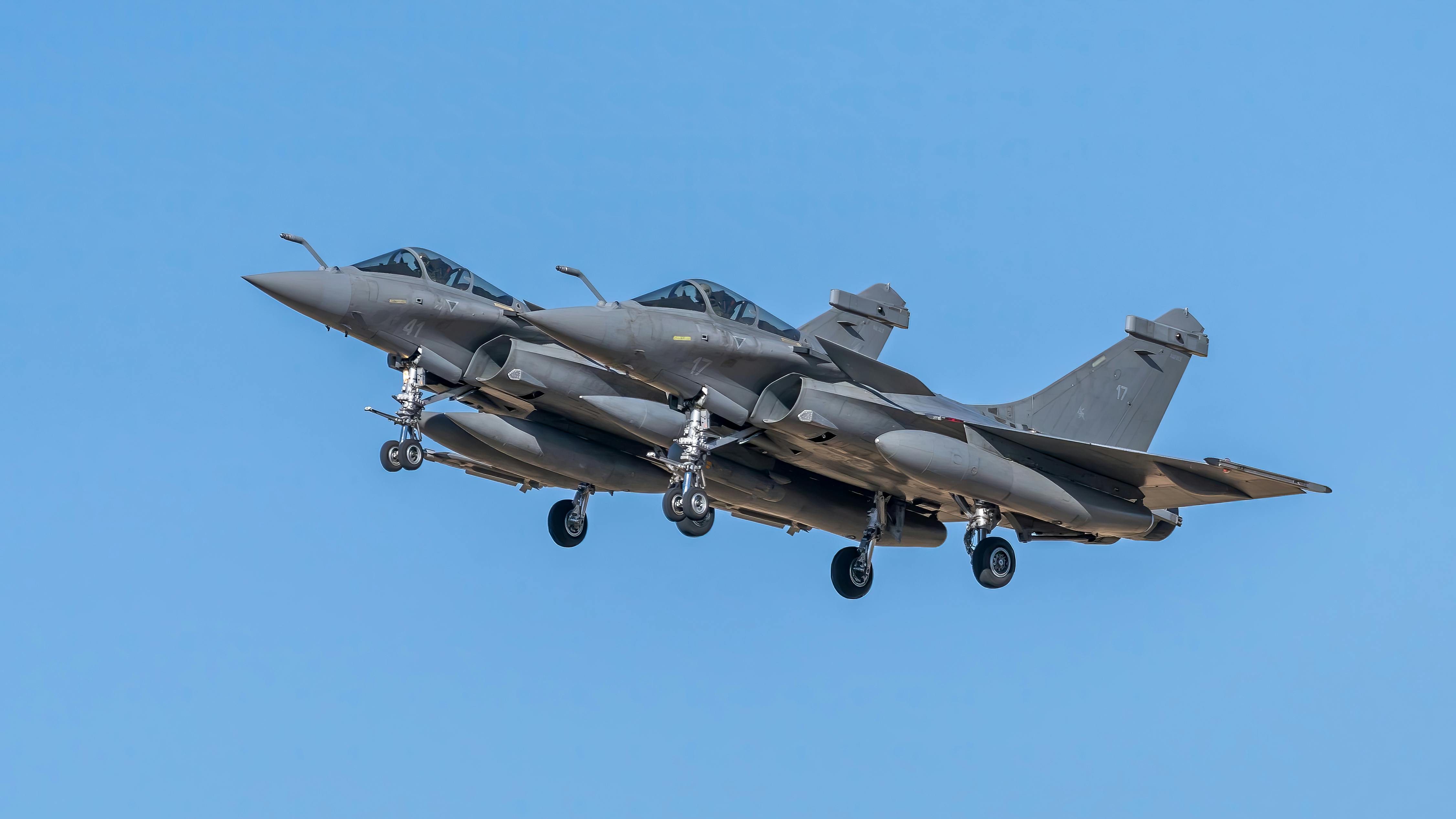
Many individuals experience anxiety when it comes to air travel. Whether it stems from a fear of heights, confined spaces, or the unpredictability of flying, this apprehension can significantly impact a person?s ability to travel comfortably. Addressing this fear is crucial for those who wish to embrace the opportunities that air travel presents, be it for business, leisure, or connecting with loved ones. This article explores a comprehensive program designed to help individuals overcome their fear of flying, empowering them to travel with confidence and ease.
Understanding the Core of Fear
Grasping the root causes behind the fear of flying is the first step to overcoming it. The fear can be broken down into several components:
- Fear of Heights: The discomfort associated with high altitudes.
- Claustrophobia: Anxiety induced by the confined space of an aircraft cabin.
- Loss of Control: The inability to control the aircraft’s movement and the reliance on strangers for safety.
- Turbulence: The unpredictable nature of turbulence can exacerbate anxiety.
Understanding these elements aids in tailoring strategies that specifically target and alleviate these fears. Explore further insights here on the psychological mechanisms behind flight anxiety.
Program Components to Overcome Fear
Exposure Therapy
Gradual exposure to the frightening situation in a controlled manner can desensitize an individual to their fear. This program includes:
- Virtual Reality Experiences: Simulating flight scenarios in a safe environment.
- Incremental Flight Exposure: Starting with short flights and progressively increasing flight duration.
Learn more in this detailed guide about how exposure therapy can effectively diminish flight-related fears.
Cognitive Behavioral Techniques
Cognitive-behavioral techniques aim to alter negative thought patterns. This program incorporates:
- Thought Reframing: Transforming irrational beliefs about flying into rational ones.
- Relaxation Exercises: Techniques such as deep breathing and visualization to alleviate anxiety.
Read more about this topic to understand how cognitive approaches contribute to fear reduction.
Support System and Resources
A robust support system is crucial in overcoming fear. This program offers:
- Professional Guidance: Access to psychologists specializing in phobia treatment.
- Peer Support Groups: Engaging with others who are also working to overcome their fears.
- Continuous Learning: Educational materials that demystify the flying process.
Find additional information here on how a supportive community can bolster confidence and reduce anxiety.
Conclusion
Fear of flying is a common challenge that can hinder one’s ability to travel freely and enjoyably. By understanding the underlying causes and utilizing targeted strategies, individuals can effectively manage and ultimately conquer this fear. Through exposure therapy, cognitive techniques, and a supportive environment, the journey to becoming a confident flyer is within reach. For those ready to embark on this transformative path, read more about this topic to take the first step towards fearless flying.
