Streamlining Rail Logistics Management Services
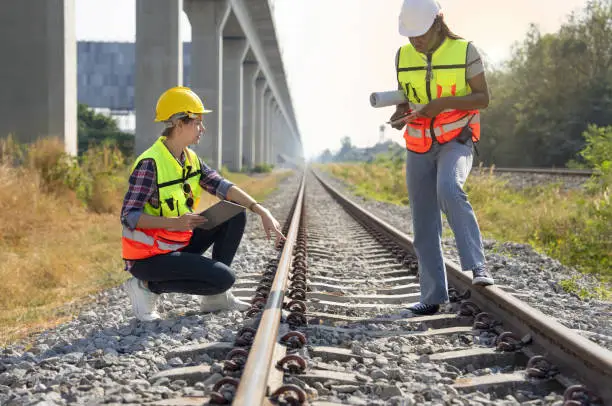
In today’s fast-paced world, the demand for efficient and reliable rail logistics management services is more crucial than ever. Rail transportation remains a cornerstone of global supply chains, providing a cost-effective and sustainable mode of moving goods across vast distances. However, managing rail logistics effectively requires more than just a good understanding of the rail system; it demands a comprehensive strategy that integrates technology, data analytics, and strategic planning. This article explores the ways to streamline rail logistics management services, ensuring optimal performance and cost-effectiveness.
Integrating Technology in Rail Logistics
The integration of advanced technology can significantly enhance the efficiency and effectiveness of rail logistics management. Leveraging technology in rail logistics includes:
- Utilizing real-time tracking systems to monitor the movement of goods and provide accurate delivery forecasts.
- Implementing automated scheduling solutions to optimize train schedules and reduce idle time.
- Employing predictive maintenance technologies to anticipate and address potential issues before they lead to costly downtimes.
Discover expert strategies here for leveraging technology in rail logistics.
Data-Driven Decision Making
Data analytics plays a pivotal role in enhancing rail logistics management. By analyzing historical and real-time data, companies can make informed decisions that drive efficiency and reduce costs. Key benefits of data-driven decision making include:
- Identifying trends and patterns that can inform strategic planning.
- Enhancing capacity planning by analyzing cargo flows and demand forecasts.
- Improving customer satisfaction through more accurate delivery estimates and proactive communication.
Learn about our tailored solutions for data-driven decision making in rail logistics here.
Enhancing Collaboration and Visibility
Effective rail logistics management requires seamless collaboration among all stakeholders, including suppliers, rail operators, and customers. Enhancing collaboration and visibility across the supply chain can lead to improved efficiency and reduced operational costs. Strategies to enhance collaboration include:
- Implementing integrated communication platforms for real-time information sharing.
- Utilizing collaborative planning tools to align expectations and coordinate efforts across the supply chain.
- Adopting visibility solutions to provide stakeholders with end-to-end insight into the supply chain process.
Explore advanced guides and tips on improving collaboration in rail logistics here.
Adopting Sustainable Practices
Sustainability is becoming increasingly important in rail logistics management. Adopting sustainable practices not only helps in reducing the environmental impact but also enhances brand reputation and compliance with regulatory standards. Key sustainable practices include:
- Investing in energy-efficient locomotives and railcars to reduce emissions.
- Implementing recycling and waste reduction programs within logistics operations.
- Promoting modal shifts from road to rail to decrease congestion and pollution.
Find out more about this approach to sustainability in rail logistics by visiting this site.
Conclusion
Streamlining rail logistics management services involves a multi-faceted approach that integrates technology, data analytics, collaboration, and sustainability. By adopting these strategies, companies can achieve significant improvements in efficiency, cost-effectiveness, and customer satisfaction. For organizations looking to enhance their rail logistics operations, resources and expert guidance are readily available to ensure successful implementation and ongoing optimization.
