Transitioning to Middle School Montessori: What to Expect
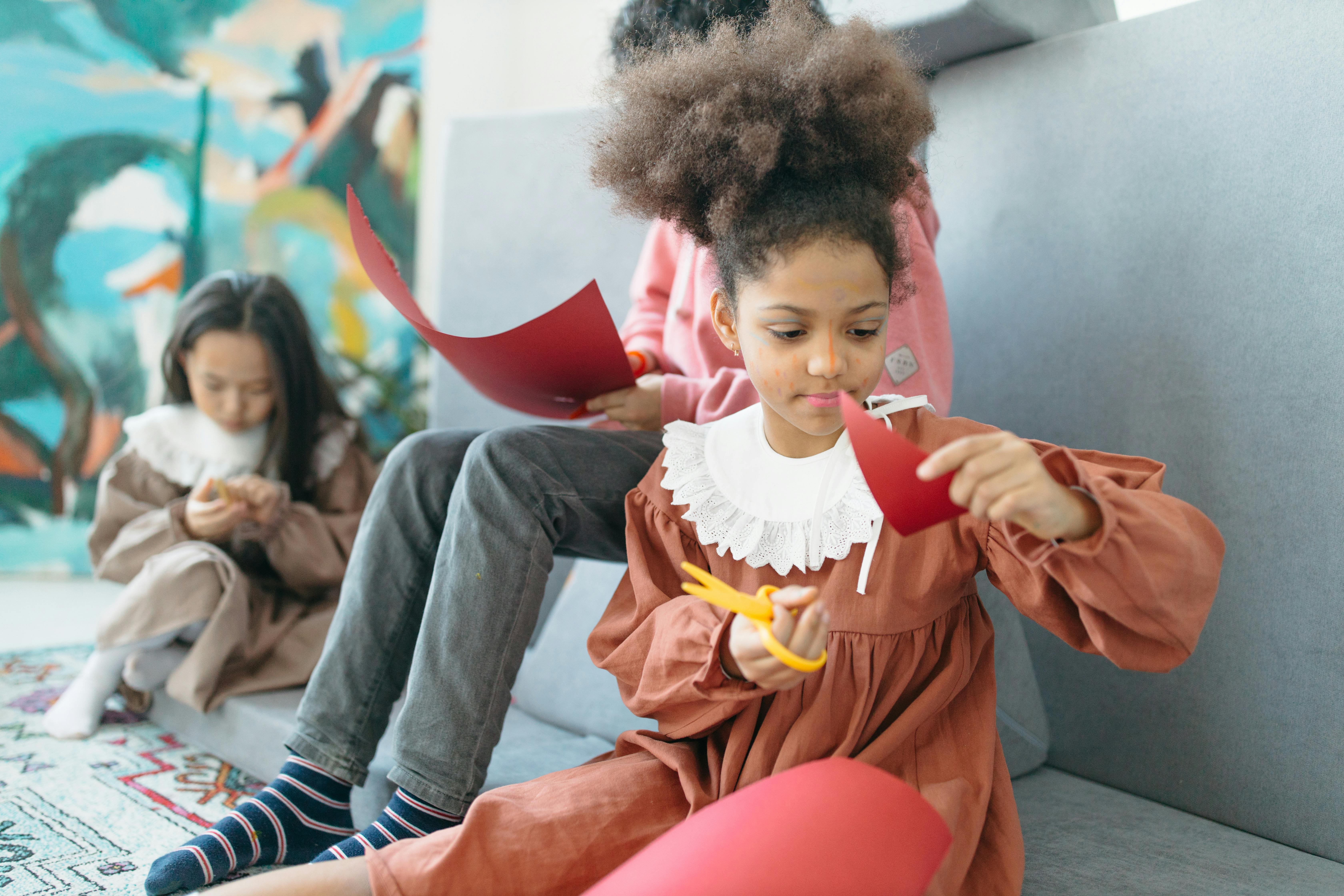
Transitioning to middle school is a significant milestone in a child’s educational journey, and when that transition involves a Montessori approach, it can be both exciting and challenging. The Montessori philosophy, known for its student-centered and hands-on learning methods, provides a unique environment for middle school students. Understanding what to expect during this transition can help parents and students navigate the changes smoothly and effectively.
The Montessori Middle School Environment
Middle school Montessori programs focus on fostering independence, critical thinking, and a love of learning. The environment is designed to support these goals through:
- Multi-age classrooms that encourage peer learning and mentorship.
- A curriculum that integrates academic subjects with real-world applications.
- Flexible scheduling that empowers students to manage their own time and responsibilities.
- A focus on community and collaboration, preparing students for future societal roles.
For more insights into how these principles are applied, find out more about this approach.
Key Differences from Traditional Schooling
Understanding the differences between Montessori and traditional schooling can help ease the transition:
Student Autonomy
In Montessori middle schools, students are encouraged to take control of their learning. Unlike traditional schools where the curriculum is often rigid, Montessori allows for:
- Choice in selecting projects and subjects of interest.
- Opportunities to set personal academic goals.
- Self-pacing in learning activities.
This approach nurtures independent learners who are motivated by curiosity and personal growth. Learn about our tailored solutions to foster autonomy in education.
Interdisciplinary Learning
Montessori middle schools emphasize the connection between subjects, unlike the compartmentalization seen in traditional schools. Students might explore a theme or topic that spans:
- Science and mathematics through experimental projects.
- History and language arts via research and presentations.
- Art and technology through creative and digital projects.
This interdisciplinary approach encourages critical thinking and application of knowledge. Explore advanced guides and tips on interdisciplinary education.
Preparing for the Transition
Preparation is key to a successful transition to a Montessori middle school. Here are some strategies:
Engage with the Community
Being part of the school community can greatly ease the transition. Parents and students should:
- Attend orientation sessions and open houses.
- Participate in school events to build connections.
- Communicate regularly with teachers and staff.
Engagement fosters a sense of belonging and provides a support network for students. Discover expert strategies here to enhance community involvement.
Developing Skills for Success
Students transitioning to a Montessori environment benefit from skills that enhance their learning experience, such as:
- Time management to handle flexible schedules effectively.
- Critical thinking to engage deeply with interdisciplinary materials.
- Collaboration to thrive in group-based projects.
Parents can support skill development by encouraging exploration and providing resources at home. Explore advanced guides and tips for developing these essential skills.
Conclusion
Transitioning to a Montessori middle school involves adapting to a unique educational framework that emphasizes independence, critical thinking, and community. By understanding what to expect and preparing accordingly, students and parents can embrace this transition with confidence. To learn more about the Montessori approach and how it can benefit middle school students, find out more about this approach.
