Expert Commercial HVAC Company for Your Business Needs
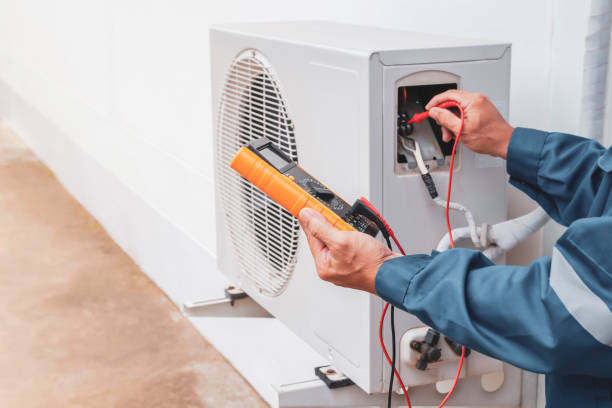
In today’s competitive market, reliable heating, ventilation, and air-conditioning (HVAC) systems are essential for maintaining productivity, comfort, and safety in commercial environments. From office towers to manufacturing plants, the right HVAC partner can minimize downtime, improve energy efficiency, and extend the lifespan of critical equipment. This article outlines the key considerations when selecting an expert commercial HVAC provider and highlights best practices that help businesses achieve optimal climate control while controlling operational costs.
Why Commercial HVAC Expertise Matters
Commercial HVAC systems differ dramatically from residential units. They are larger, more complex, and often integrated with building automation, fire safety, and energy management platforms. An experienced provider brings:
- In-depth knowledge of industry codes and regulations.
- Proficiency in designing and retrofitting systems for diverse building layouts.
- Access to specialized tools and diagnostic technology.
- Ability to coordinate with other trades to avoid disruptions.
For organizations seeking a strategic advantage, partnering with a firm that understands these nuances can translate into measurable savings and a healthier indoor environment.
Key Services to Expect
System Design and Installation
A robust design phase sets the foundation for long-term performance. Professionals conduct load calculations, assess ventilation requirements, and select equipment that matches the building’s usage patterns. Detailed plans also incorporate future expansion possibilities, ensuring scalability.
Preventive Maintenance Programs
Regular maintenance reduces unexpected failures and improves efficiency. Typical program elements include:
- Quarterly inspections of compressors, fans, and controls.
- Filter replacement and coil cleaning to maintain airflow.
- Performance testing and energy consumption analysis.
- Documentation of service history for compliance audits.
Companies that adopt a proactive approach often see a 15-30% reduction in utility costs. Discover expert strategies here.
Evaluating Technical Capability
When reviewing potential partners, focus on measurable competencies rather than generic marketing claims. Consider the following criteria:
- Certification and Training: Look for technicians with NATE, EPA, or equivalent certifications.
- Project Portfolio: Review case studies that demonstrate success in similar industries.
- Response Time: Confirm service level agreements (SLAs) for emergency calls.
- Technology Integration: Ability to work with Building Management Systems (BMS) and IoT sensors.
Detailed information about these capabilities can be found by learning about tailored solutions.
Cost Management and Energy Efficiency
Energy consumption is a major expense for commercial properties. An expert HVAC provider offers strategies that balance upfront investment with long-term savings:
- Variable speed drives (VSD) for fans and pumps.
- High-efficiency chillers and heat recovery systems.
- Demand-controlled ventilation that adjusts airflow based on occupancy.
- Regular energy audits to identify waste.
By implementing these measures, businesses can achieve up to 25% reduction in annual energy bills. Explore advanced guides and tips.
Compliance, Safety, and Documentation
Commercial HVAC work must adhere to local building codes, OSHA standards, and environmental regulations. A reputable provider ensures:
- Proper refrigerant handling and disposal.
- Documentation of all inspections, tests, and certifications.
- Coordination with fire safety systems to prevent cross-system failures.
- Training for facility staff on basic system operation and emergency procedures.
Comprehensive documentation not only satisfies auditors but also provides a clear maintenance roadmap. Find out more about this approach.
Choosing the Right Partner
The selection process should combine objective evaluation with strategic alignment. Follow these steps:
- Define project scope, budget, and performance targets.
- Request detailed proposals that outline methodology, timelines, and cost breakdowns.
- Assess technical expertise using the criteria listed above.
- Check references and verify past performance on comparable projects.
- Confirm that the provider offers a clear warranty and post-installation support plan.
A methodical approach ensures that the chosen HVAC partner can deliver reliable service while supporting the organization’s broader sustainability goals.
Conclusion
Selecting an expert commercial HVAC company is a strategic decision that impacts operational efficiency, employee comfort, and the bottom line. By focusing on technical expertise, preventive maintenance, energy-saving technologies, and rigorous compliance, businesses can secure a climate-control solution that scales with growth and adapts to evolving regulatory demands. Leveraging the resources and insights offered by seasoned professionals enables organizations to maintain optimal indoor environments while controlling costs and minimizing risk.
